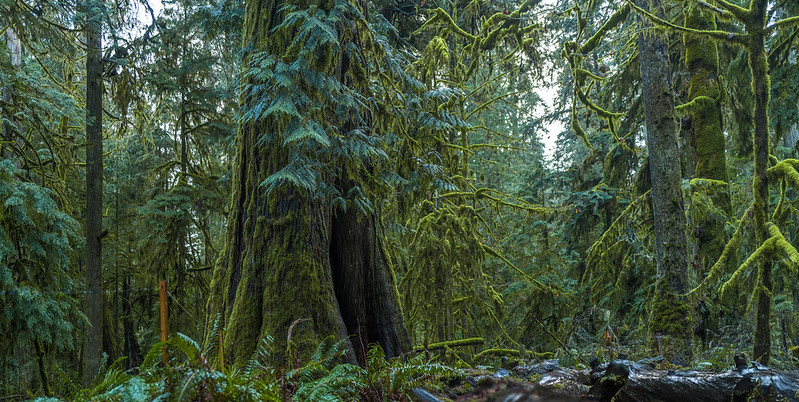
Old‑growth forests in British Columbia—described by former government‑appointed panel members as “rare and irreplaceable”—are at increasing risk due to ongoing logging despite earlier mapping and deferral recommendations. This concern, highlighted in the recent reporting, underscores how old‑growth loss intersects with two critical societal challenges: food security and climate change.
From a climate perspective, old‑growth forests play an outsized role in stabilizing global systems. They store massive amounts of carbon accumulated over centuries, making them far more effective carbon sinks than younger tree stands. Scientific mapping efforts by the province’s Technical Advisory Panel show that these ecosystems include ancient forests, intact watersheds, and big‑tree old growth—categories prioritized because of their high ecological value and their importance in mitigating climate impacts. When such forests are logged, not only is future carbon sequestration capacity diminished, but large stores of previously locked‑away carbon are released, accelerating atmospheric warming. This intensifies climate‑related stresses—droughts, heat waves, unpredictable precipitation patterns—that directly affect agricultural production and, by extension, food security.
Old‑growth forests also contribute to food security more directly by protecting water systems and maintaining biodiversity. Their root networks regulate how water flows over the landscape, stabilize soils, and maintain clean, predictable water flows essential for fisheries, irrigation, and livestock. Mapping by experts shows that valley‑bottom, high‑productivity old growth tends to overlap with some of the most ecologically valuable watersheds. That old growth is now reduced to just nine per cent of its original extent. As climate change increases pressure on freshwater availability, the loss of these natural buffers weakens the resilience of food systems.
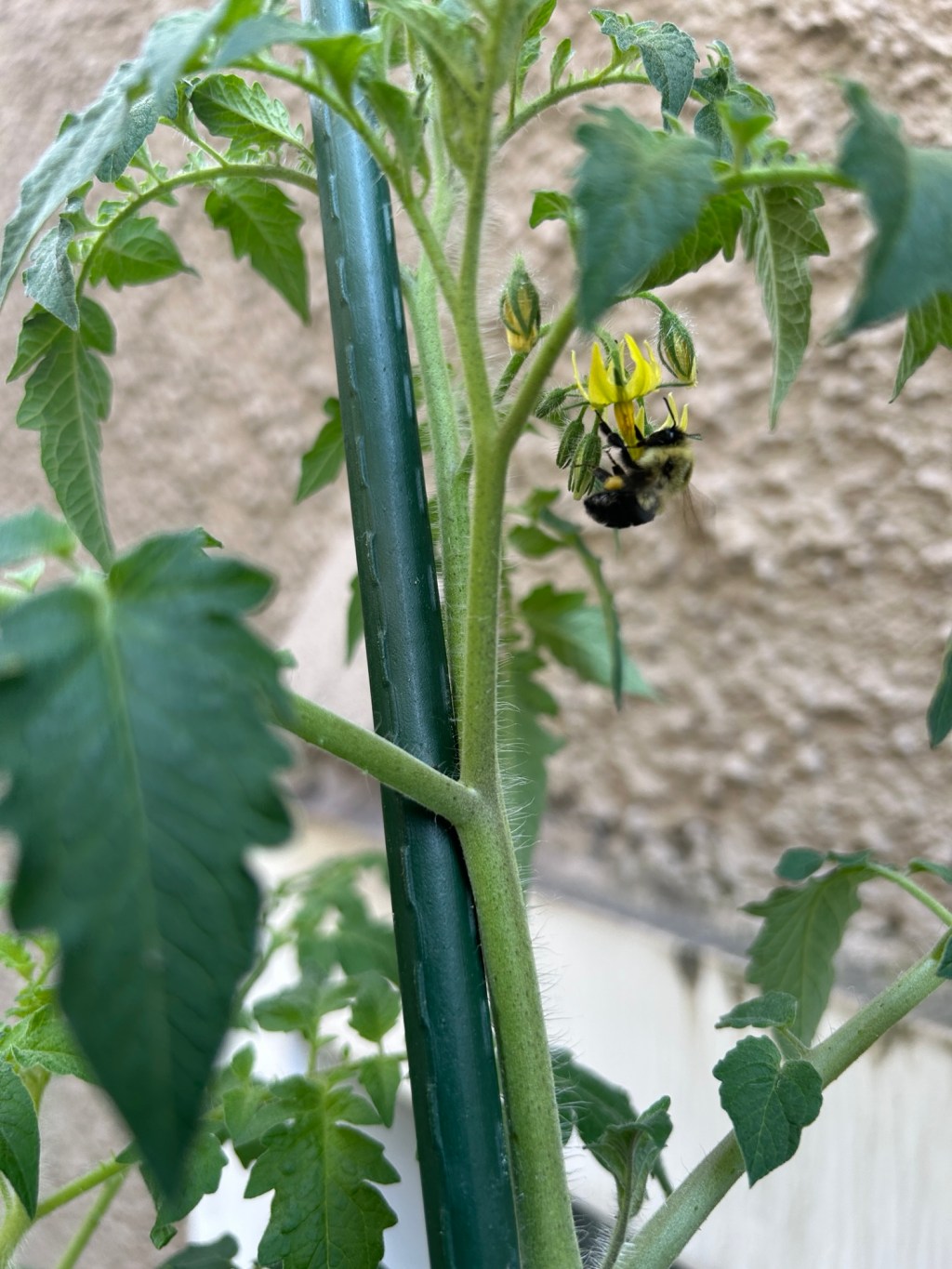
The biodiversity housed within old‑growth forests also supports pollinators, seed dispersers, and habitat networks that provide the foundation for agricultural stability. Independent experts have previously identified over a million hectares of at‑risk old growth with high ecological value that should be deferred from logging. Allowing these systems to degrade compromises ecological services vital for sustainable food production. The concerns raised about provincial inaction highlight not only an environmental crisis but a mounting risk to long‑term food security and climate resilience in British Columbia.


 Last Ditch
Leave a comment