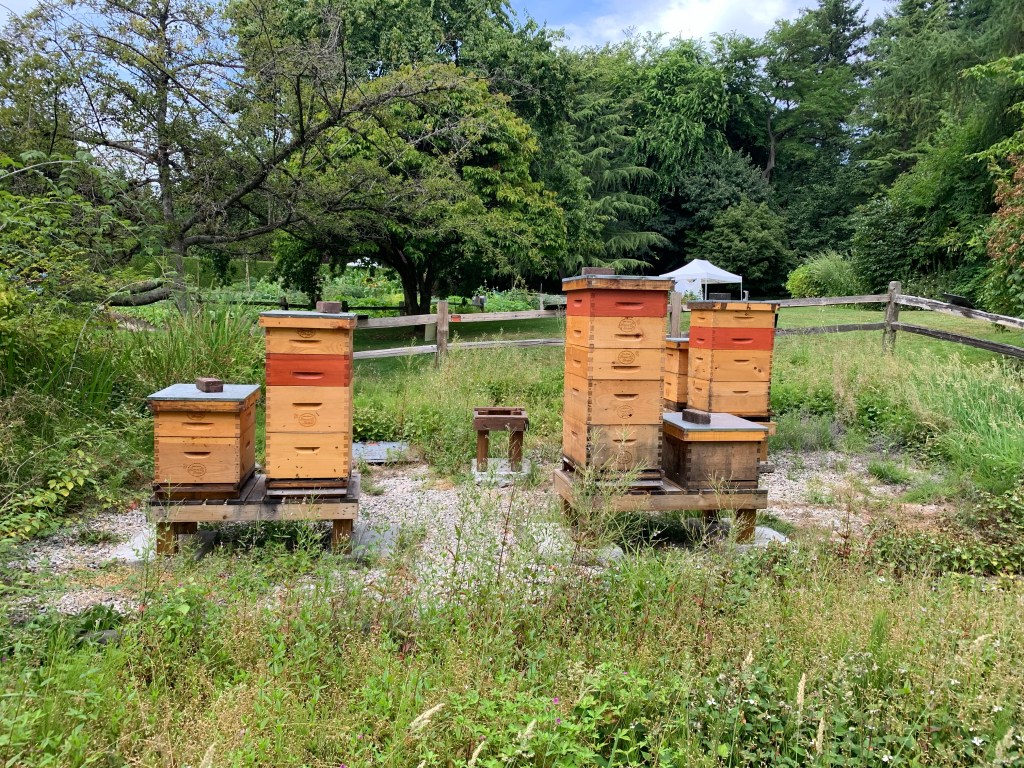
If you’re like me, you like finding mini docs about small farms on YouTube. You pour endlessly over books and graphics, trying to envision a life connected to land and growing food. You picture an abundance of bees, of wildlife, and of a busy market stall. But there’s a part of this all where it often becomes much harder to find good information: how to pay for this and what the point of doing it is.
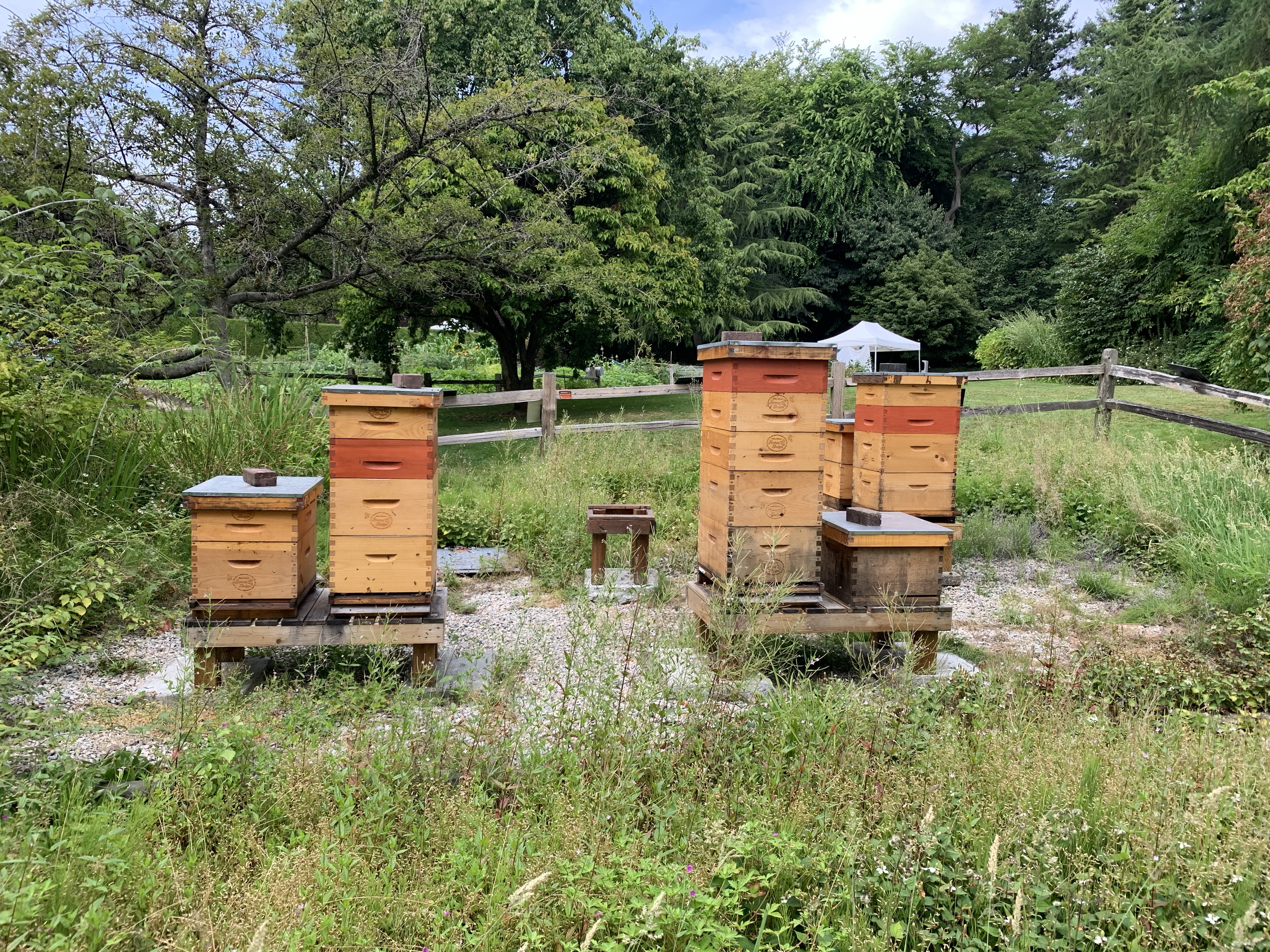
There’s plenty of sample budget sheets and the like but behind many a farming documentary lies vague lines about “investors,” “savings,” and “making it work.” The reality is that most people starting farms of any size are starting with a lot of capital. It’s no secret that farming on any scale can be expensive but I think it’s unfortunate a conversation about access and community purpose gets missed when we so quickly rely on late stage capitalism “back-to-the-land”ism that is often devoid of a plan of how to address food insecurity, climate change, or community connection.

What are we including when we talk about “sustainable” farming? If the model is seek out investors and then try to quickly maximize profit, all we’re doing is taking the same system that didn’t work for us in our regular jobs and applying it to something else. When Laura and I started looking into the idea of buying a piece of land, we quickly came up against a few practicalities that I thought don’t get much airtime.
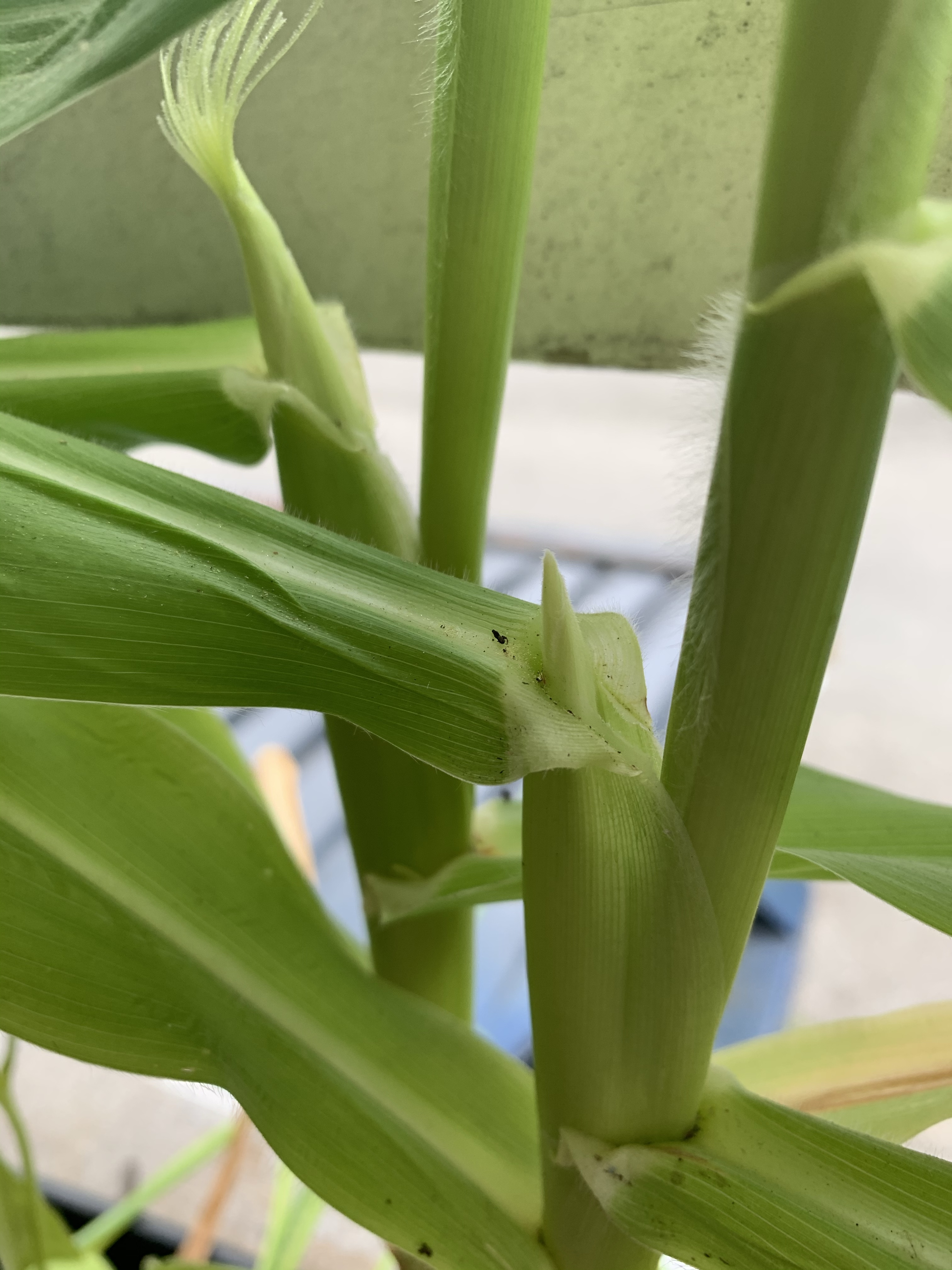
1. Land cost– land can look pretty cheap at first glance but in most cases you will need a 30-50% down payment – significantly more than if you are purchasing a property with a house already on it.
2. Purpose- what is it you are hoping to farm and why? There’s so much to consider here but a few starting points I’ve been thinking about are: who does this land serve? How was this land occupied? How can I serve people/communities who have been displaced by this land and land like it?
3. Ecology – what is already living on the land and how can I incorporate it into my farming plans? If we’re just bulldozing land and planting our desired one or two crops there, we are arguably not adding anything back and actually taking a good deal of nutrients and health out of the land.
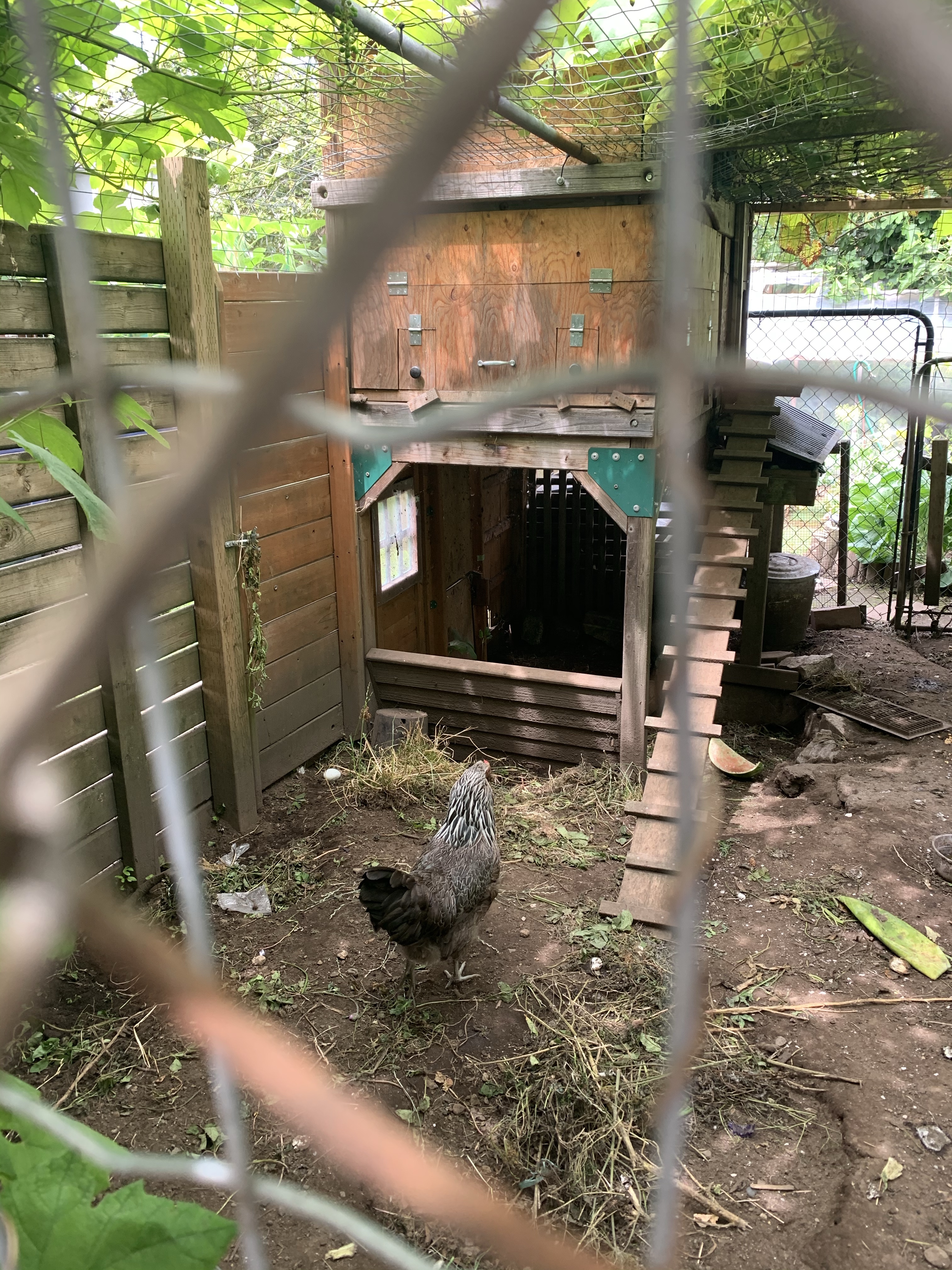
Ultimately, we hope that whatever The Cactus Ranch becomes, it does so in a way that integrates into and builds community, teaches people about food and justice, and feeds people in the community regardless of their income level. Just some rainy Thursday thoughts. 🧑🌾


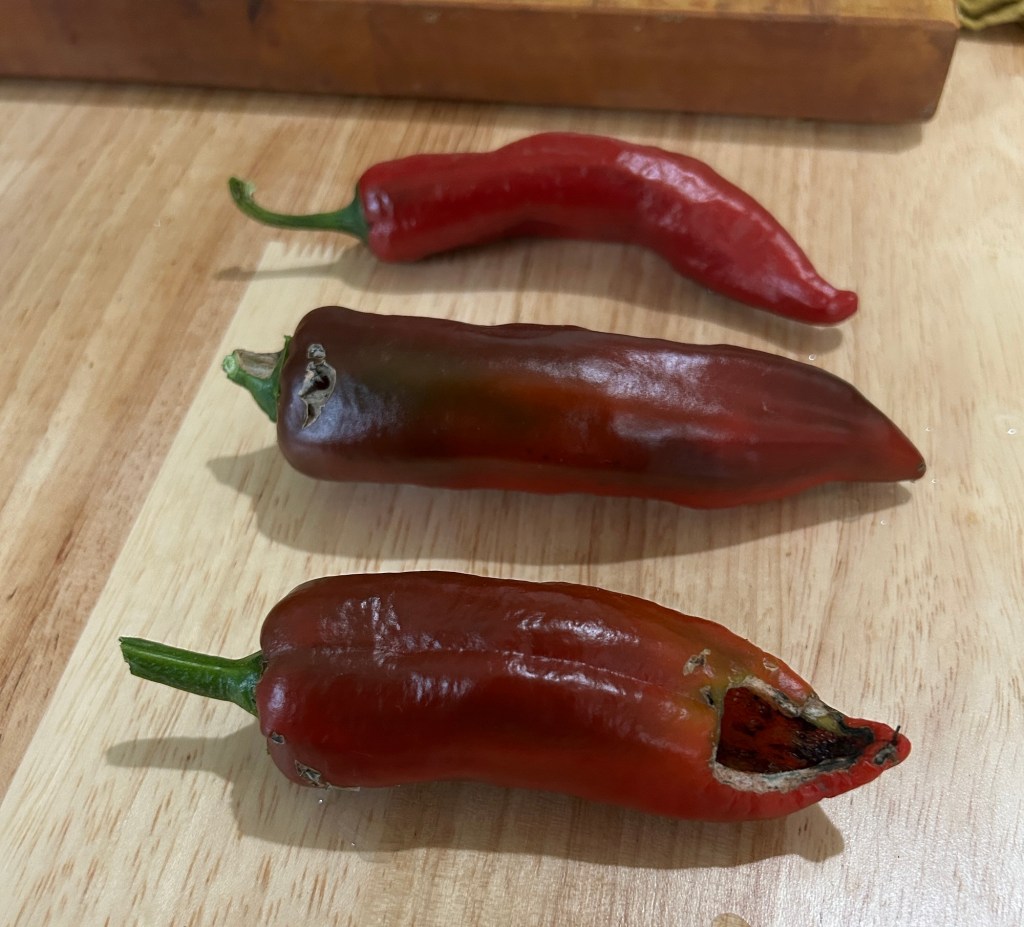
 Last Ditch
Leave a comment