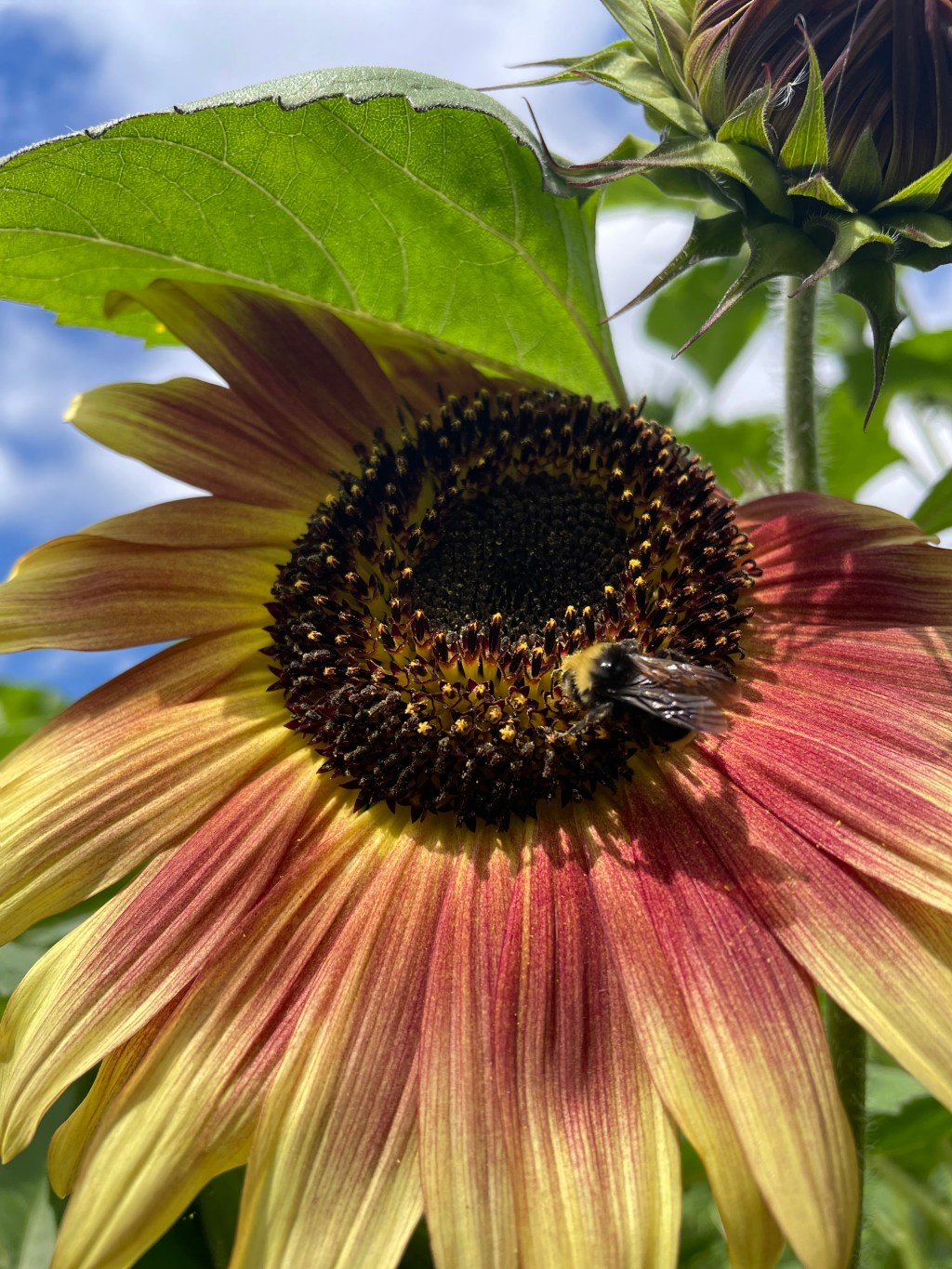
It has been a weird gardening year. Not terrible but certainly not predictable. Here in the Pacific Northwest, Vancouver specifically, the last few growing seasons have been long, hot and dry. That weather is a far cry from the springs and summers of my youth where summer never really arrived until July or later and temperatures rarely broke above 27 degrees Celsius. So you would think a summer more like those of my childhood would be a welcome return to the status quo. Except that I have spent the last several years adapting my food growing to abnormal conditions. So while I was able to get lots of Oregon Giant peas in the ground and reaped the benefits from our exceptionally cool and wet spring, my tomato seedlings and peppers are weeks behind and nowhere near as prolific nor sizeable as last year. Even with a grow light, there was just not enough light or hear for easily half of the seedlings I started, including eggplants and other heat-loving plants.
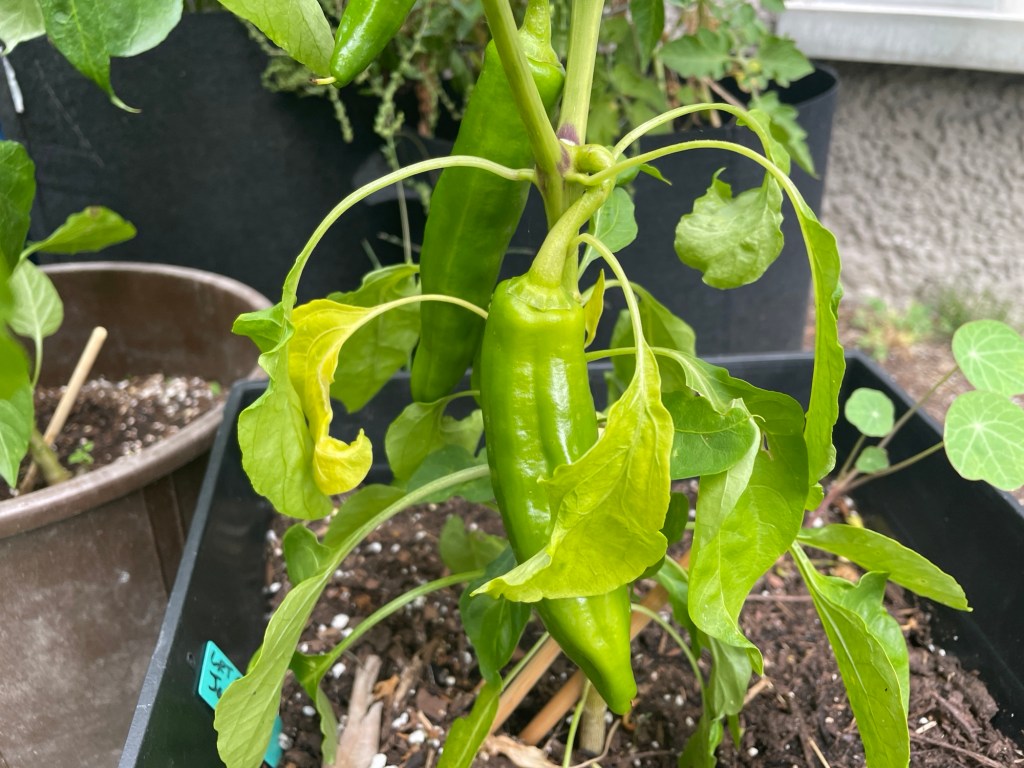
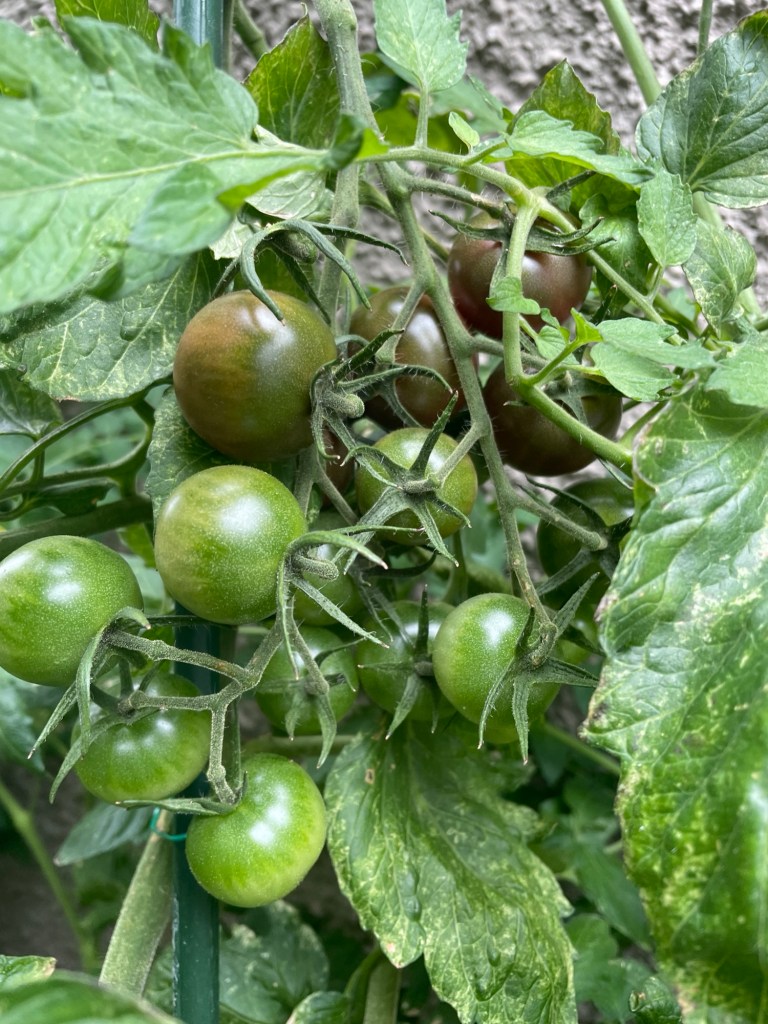
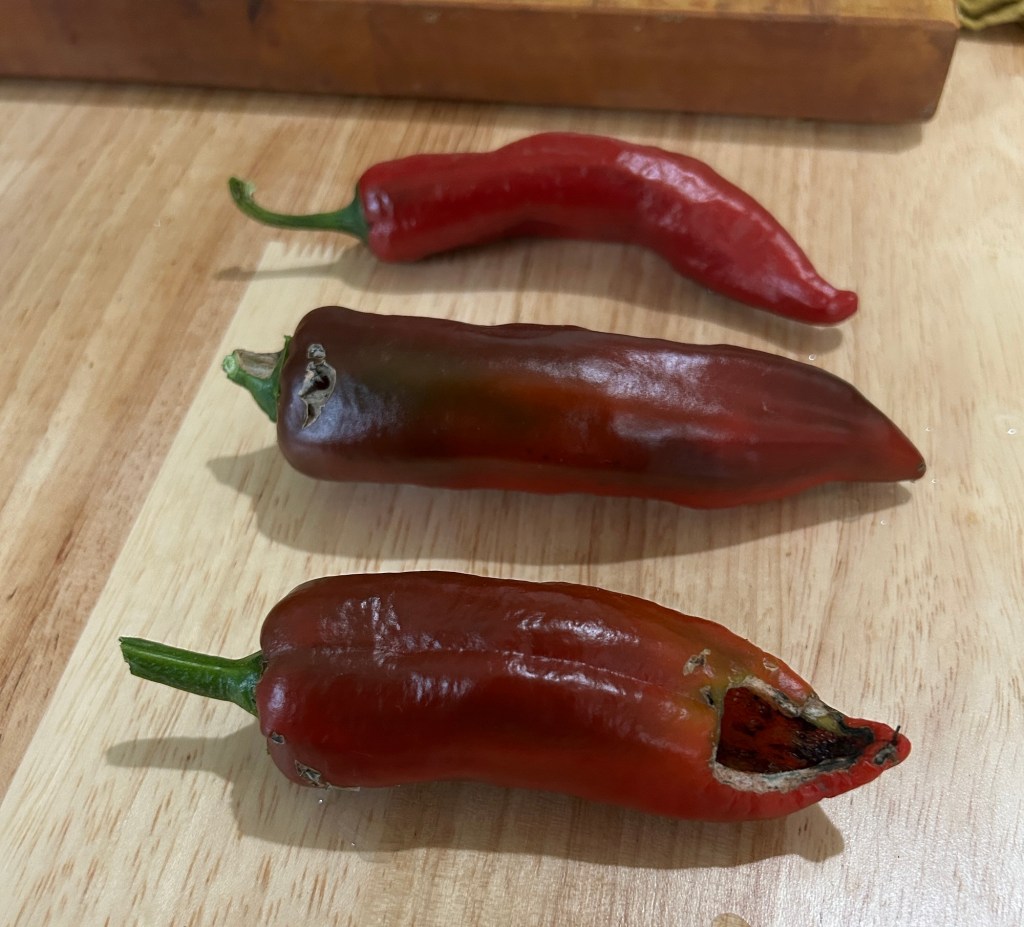
While the tomatoes are finally starting to ripen and I will get some peppers, it’s been a year largely to forget for the garden. And I can’t stop thinking about the larger food security implications of how we adapt to climate change when we cannot reliably predict or prepare for what the growing season will hold. My small inner city garden is a drop in the bucket compared to the compounding problems actual food growers are facing.
“It doesn’t rain like it used to,” says Tomas Salas, a cocoa farmer from Maravilla. “Everything has changed. The last harvest was less than half of the other years. The rain comes and goes; we can’t predict it. It’s very hard to predict how the year will be. We are adapting by changing the planting and harvesting dates, but it has been very difficult for the whole family.”
–Guardian Article
It’s not so much the droughts or any one climate disaster, it’s the unpredictability. If you have wildly oscillating weather, it’s very hard to time crops properly or to be preventative. As we are seeing across global food supplies, this unpredictability means that from year to year, food crops are incredibly vulnerable to unpredictable weather patterns.
I don’t have any easy answers to these large questions. Permaculture and long-view practices may help reduce some of the worst impacts but the human need to grow large amounts of annual crops to support our current food production and consumption are in a deeply precarious place.


 Last Ditch
Leave a comment