Module 1: What is Food Security?
Food security means ensuring that everyone has consistent access to enough safe and nutritious food for a healthy life. For instance, in a food-secure community, families can easily afford and find healthy food options nearby. It’s about addressing issues like affordability, availability, and quality of food. Achieving food security involves tackling problems like poverty and inequality to ensure everyone has access to adequate nutrition.
Module 2: How is Climate Change Impacting Food Security?
Watch this Video from NowThis about how climate change is impacting food security. Think about how some of the issues raised in the video may impact you where you are.
Climate change threatens food security by causing extreme weather events, altering growing conditions, and decreasing crop yields. This affects food availability, accessibility, and affordability, especially for vulnerable communities reliant on agriculture.
Module 3: Evaluating Your Own Food Security:
- Is there a grocery story within a 15-20 min walk from you? How many local foods to they sell?
- What are some organizations in your area working to solve food insecurity? Who else near you is interested in this topic?
- What are some ways food insecurity is affecting people in your community? (Ask people!)
- What are some possible local solutions to food insecurity where you live?
Module 4: Moving into Actions and Solutions:
Consider the below actions. Choose one to explore more this week:
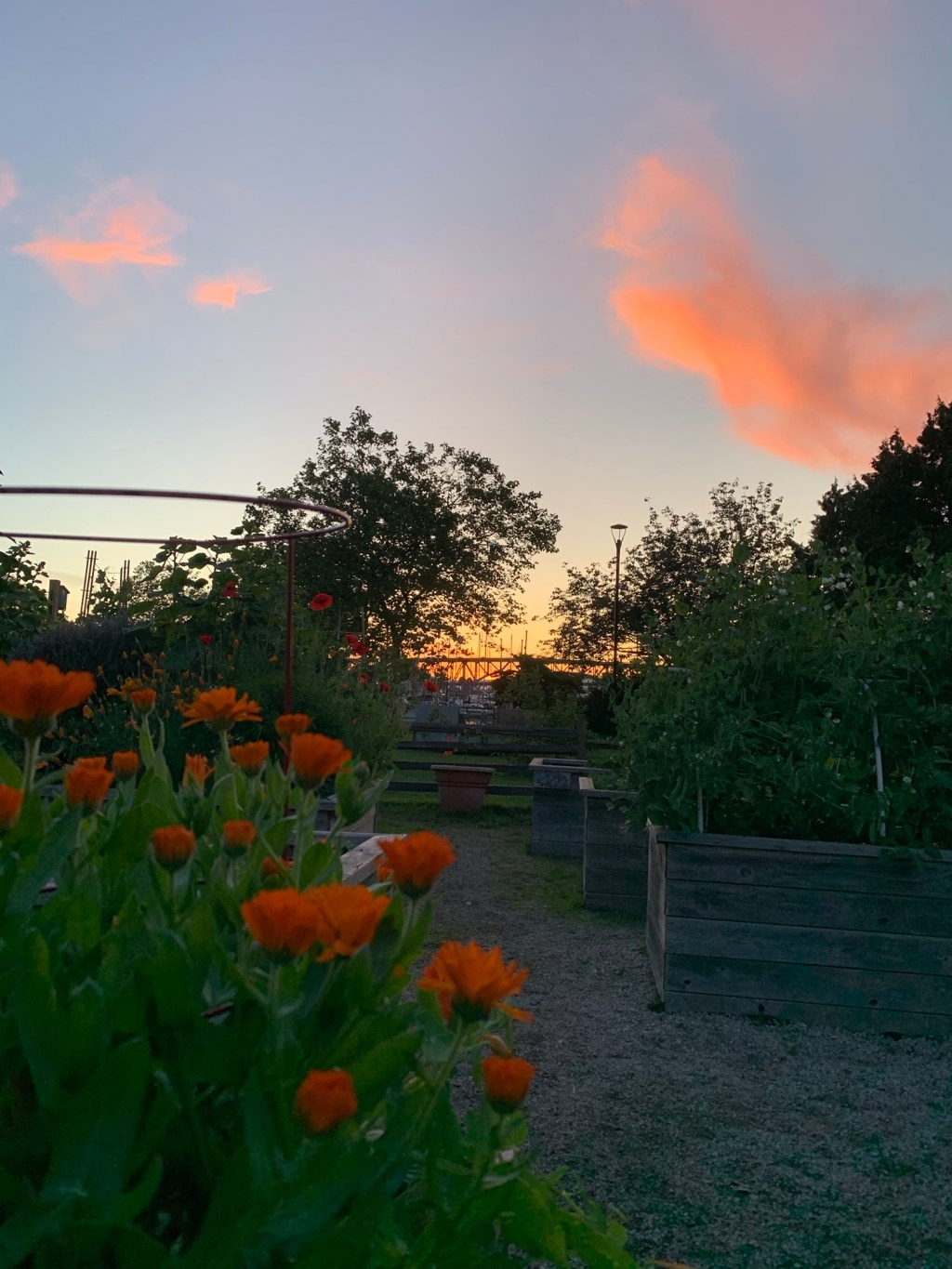
- Community Gardens: Start or participate in a community garden initiative to collectively grow and harvest fruits and vegetables. This not only provides fresh produce locally but also fosters community engagement and education on sustainable food practices.
- Food Recovery Programs: Volunteer or establish partnerships with local food banks and organizations to recover surplus food from supermarkets, restaurants, and farms that would otherwise go to waste. Redirecting this food to those in need helps alleviate hunger while reducing food waste.
- Urban Farming: Convert vacant lots or rooftops into urban farms, utilizing vertical gardening techniques and hydroponic systems to grow food in urban areas. This not only increases local food production but also enhances urban green spaces and promotes food self-sufficiency.
- Talk to your elected officials: book a meeting or send an email asking about what they are doing to address food security in your riding/district.
Module 5: Organizations You Can Join + Support:
- Migrant Workers Alliance – advocacy for the migrant workers who grow your food
- Seeding Sovereignty – a collective that works to radicalize and disrupt colonized spaces through land, body, and food sovereignty work, community building, and cultural preservation.
- 40 Organizations That Are Shaking Up the Food System – and don’t forget to research what organizations work in your community.
- Detroit Black Community Food Sovereignty Network
Course Reading List:
- Land Justice: Re-imagining Land, Food, and the Commons in the United States edited by Justine M Williams and Eric Holt-Giménez
- Check out the videos on the Last Ditch Food Security Playlist for more information!
- Read the most recent Guardian articles addressing food security and climate change
- Subscribe to the UN Global Food Security Research Cluster on YouTube
- Global Food Policy Report 2024: Food systems for healthy diets and nutrition
- Check out the Last Ditch Decolonizing Food Systems playlist.
Webinars:



 Last Ditch