January creeps ever forward and the day I felt was still months off has arrived- planning for the growing season. To that end, I thought I would offer a few things I have learned the hard way in the last couple of growing seasons, specifically on growing peppers.
Start peppers early and check them regularly
Pepper seeds take a little longer to germinate than seeds like tomatoes and generally prefer being both warm (but not cooked!) and moist (but not wet!). This can be a hard balance to achieve depending on your seed starting environment and I have lost a lot of pepper seedlings to a few hours too many sitting on top of the radiator, or going heavy handed with the watering. Starting seeds is often about balance and when we’re starting indoors, that balance can be hard to find.
Label Things and Re-label Them
I was feeling pretty proud of myself for keeping labels and dates on all my seedlings last year, until a bunch of seedlings perished (see above) and in desperation I threw more seeds at the problem. In my panic, I only replaced some of the tags and dates. Which seedlings from that batch survived? The ones with labels and dates or the ones without? That’s right, the mystery ones without any information whatsoever. While a survivable disaster, trying to adjust to an already wonky growing season without actual information was… not ideal. If you’re planting too much to effectively label and date, you’re planting too much!
Let them dry fully
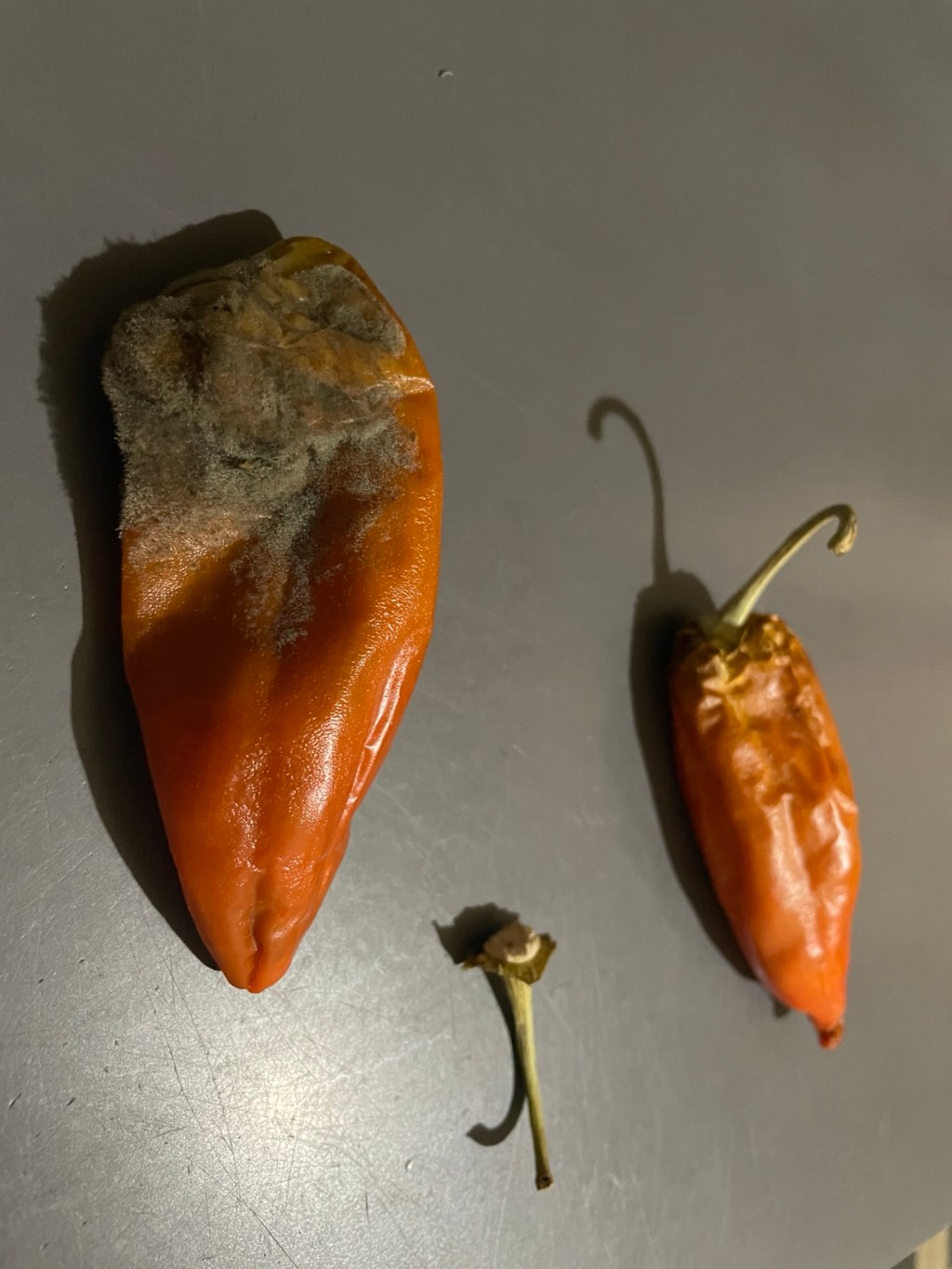
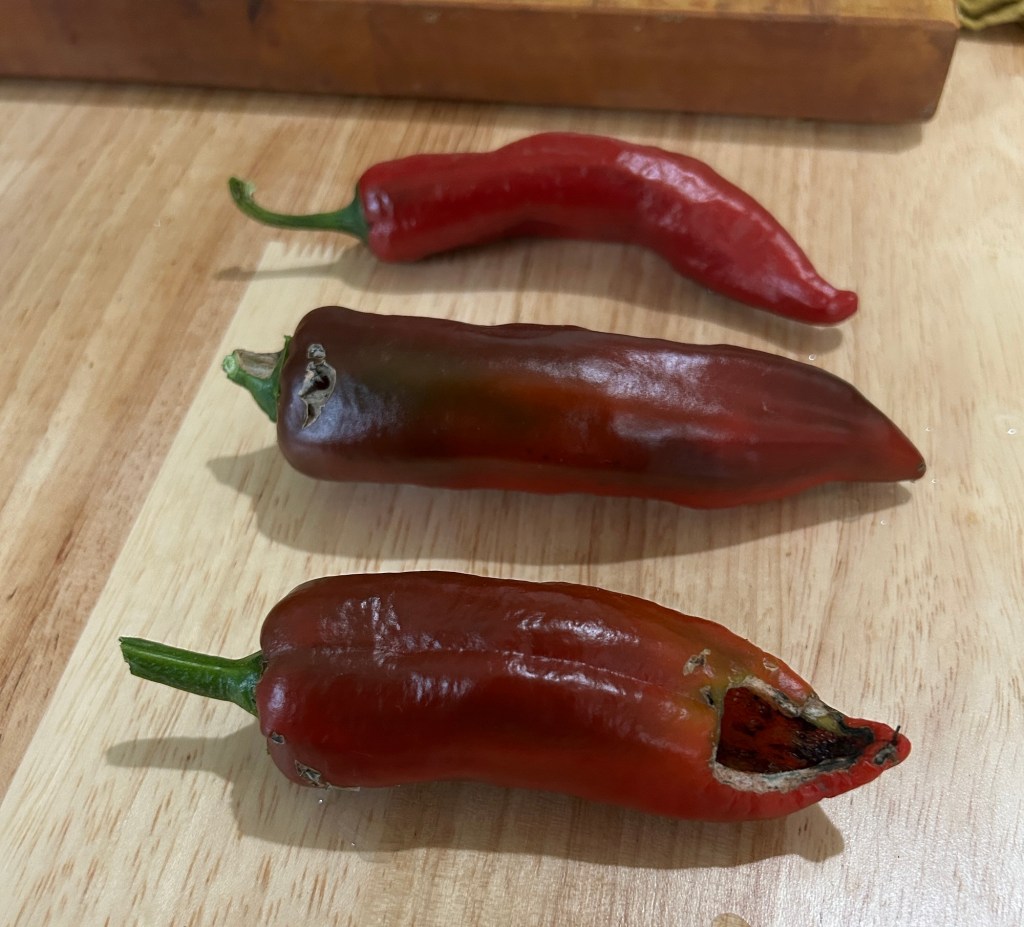
This year, somewhat dismayed by the low production of my cayenne pepper plants, I threw a little pile of harvested peppers into a brown paper bag on my counter and let them dry there for a few weeks. I was also hoping that they would ripen a little further and without actually looking up anything about brown paper bags, I just tried it. What I failed to think about was by closing the top of the bag, I was also sealing in moisture. So a couple of weeks later when I pulled the peppers out, mold had started to grow on some of them. In order for peppers to properly dry for grinding up, they must be completely dry. Because they are packed with moisture and oils, this needs to happen in a cool, dark, dry place, with air circulation. The pantry in my kitchen has worked perfectly in the past and yet I neglected something that worked, and half-heartedly tried something I had heard about somewhere. Two lessons for the price of one! (and some lost peppers.



 Last Ditch
Leave a reply to A Creative Spirit Cancel reply